Can Task Management Become The Secret Behind Consistent Success?
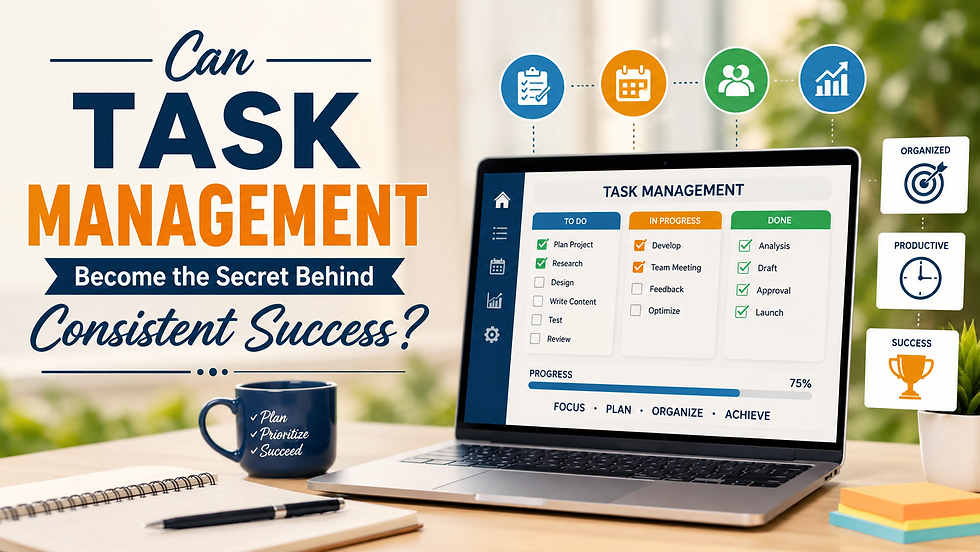
Every ambitious goal begins with a clear plan, but plans only create value when they are followed with discipline and consistency. That is where task management becomes an essential part of daily productivity. Instead of reacting to endless demands, people who organize responsibilities strategically gain greater control over their schedules, make smarter decisions, and maintain steady progress. Whether managing personal projects or leading an organization, structured planning creates confidence and clarity that drive meaningful achievements.
Turn Daily Responsibilities into Meaningful Progress
Busy schedules often create the illusion of productivity, yet constant activity does not always lead to meaningful results. Real progress comes from understanding which responsibilities deserve immediate attention and which can be completed later.
Creating a structured workflow allows individuals to focus on important objectives without becoming overwhelmed by less valuable activities. Breaking larger projects into manageable actions also makes complex work feel achievable, encouraging consistent momentum instead of last-minute pressure.
As priorities become more visible, decision-making improves naturally, reducing uncertainty throughout the workday.
Better Organization Creates Better Decisions
Disorganized work environments often lead to duplicated efforts, forgotten responsibilities, and unnecessary delays. A structured approach provides greater visibility into ongoing activities, allowing people to understand exactly where their attention is needed.
Clear organization also improves communication among colleagues. Everyone understands expectations, deadlines, and responsibilities, minimizing misunderstandings that slow progress.
Instead of spending valuable time searching for information or correcting avoidable mistakes, teams can dedicate their energy toward solving problems, developing new ideas, and delivering higher-quality outcomes. Effective management strategies further support this process by streamlining workflows, improving coordination, and ensuring resources are used efficiently to achieve consistent business success.
Prioritization Helps Reduce Stress
One of the biggest challenges professionals face is deciding what deserves attention first. Without a clear system, every responsibility appears equally urgent, creating unnecessary pressure throughout the day.
Thoughtful prioritization encourages individuals to evaluate urgency, importance, available resources, and deadlines before beginning work. This simple habit creates confidence because people understand exactly what should happen next.
Reducing uncertainty also lowers mental fatigue, allowing greater concentration and helping maintain motivation even during demanding projects.
Consistency Builds Long-Term Growth

Success rarely comes from occasional bursts of effort. Instead, it develops through small, consistent actions repeated over time.
Establishing reliable routines encourages continuous improvement without creating burnout. Completing planned responsibilities regularly strengthens personal discipline while improving accountability across entire organizations.
Over weeks and months, these consistent habits accumulate into measurable progress, helping businesses improve efficiency while allowing individuals to develop stronger professional skills and greater confidence.
Collaboration Becomes More Effective
Modern workplaces depend on teamwork, making coordination essential for successful project completion. When responsibilities are clearly assigned, every contributor understands individual expectations while remaining aware of overall project objectives.
Greater transparency reduces confusion, improves accountability, and encourages proactive communication whenever adjustments become necessary.
Collaborative environments also benefit from shared visibility because managers can identify challenges earlier, redistribute workloads fairly, and provide assistance before small issues become major obstacles.
Flexibility Encourages Better Adaptation
Unexpected changes are unavoidable in both personal and professional environments. New priorities, client requests, market conditions, or operational challenges can quickly alter existing plans. Even Office Distractions can interrupt workflows, making it essential to adjust priorities without losing momentum.
Flexible planning methods make adaptation easier because responsibilities can be reorganized without disrupting overall objectives. Rather than feeling overwhelmed by sudden changes, individuals remain focused on maintaining progress through thoughtful adjustments.
Organizations that embrace adaptability often respond faster to opportunities while minimizing disruption during periods of uncertainty.
Measuring Progress Improves Future Performance

Continuous improvement begins with understanding previous performance. Reviewing completed work provides valuable insights into productivity patterns, resource allocation, and operational efficiency.
Regular evaluation helps identify recurring obstacles, eliminate unnecessary processes, and strengthen successful strategies. Instead of relying on assumptions, future planning becomes increasingly accurate through measurable experience.
This cycle of planning, execution, evaluation, and refinement creates lasting improvements that support both personal development and organizational success.
Building Sustainable Productivity
Sustainable productivity focuses on maintaining consistent performance without sacrificing wellbeing. Working longer hours does not always produce better outcomes. Instead, balanced planning encourages healthier routines that improve concentration, creativity, and decision-making.
People who maintain realistic workloads experience fewer interruptions caused by stress and fatigue. They also produce higher-quality work because their energy remains steady throughout important projects.
Over time, balanced productivity creates stronger professional relationships, higher satisfaction, and greater resilience during demanding situations.
Conclusion
Long-term success is rarely accidental. It grows from thoughtful planning, consistent execution, and continuous improvement. By embracing task management, individuals and organizations gain greater clarity, stronger focus, improved collaboration, and the flexibility needed to thrive in changing environments. Small, organized actions performed consistently become the foundation for extraordinary achievements over time.
FAQs
1. Why is organizing daily work important?
Organized work improves focus, reduces confusion, and helps individuals complete responsibilities more efficiently.
2. How does prioritization improve productivity?
Prioritization ensures important responsibilities receive attention first, reducing delays and improving overall efficiency.
3. Can better planning reduce workplace stress?
Yes. Clear schedules and defined responsibilities reduce uncertainty, making workloads feel more manageable.
4. Why is collaboration important for successful projects?
Effective collaboration improves communication, strengthens accountability, and allows teams to solve problems more efficiently.
5. How does reviewing completed work support improvement?
Performance reviews reveal strengths and weaknesses, helping individuals refine strategies for future success.


Comments