Data Breach Prevention: How To Safeguard Your Business And Personal Data

In today’s digital age, data breaches are a growing threat to businesses and individuals alike. With cybercrime on the rise, the question is: How can you prevent a data breach from happening? Whether you’re a small business owner, a large enterprise, or an individual concerned about your privacy, understanding how to prevent data breaches is crucial. This article provides a comprehensive guide to protecting sensitive information and preventing costly data leaks.
What Is a Data Breach and Why Is It Dangerous?
A data breach occurs when unauthorized individuals gain access to confidential information. This could include personal data, financial records, trade secrets, or customer details. Data breaches are dangerous because they expose sensitive information, which can lead to identity theft, financial loss, and reputational damage.
Common Causes of Data Breaches
Phishing attacks: Cybercriminals trick individuals into providing sensitive information.
Weak passwords: Using easy-to-guess or reused passwords leaves systems vulnerable.
Malware and ransomware: Malicious software that compromises a system's integrity.
Insider threats: Employees or contractors may leak data intentionally or unintentionally.
Understanding the causes is the first step in preventing data breaches. Now, let’s dive into the best practices for data breach prevention.
Best Practices for Data Breach Prevention
1. Implement Strong Access Controls

One of the most effective ways to prevent data breaches is to limit who has access to sensitive information. This includes:
Role-based access: Ensure that employees only have access to the data necessary for their job function.
Least privilege principle: Give users the minimum level of access needed to perform their duties.
Multi-factor authentication (MFA): Add an extra layer of protection by requiring a second form of identification beyond just a password.
2. Use Data Encryption
Data encryption is essential for protecting information both in transit and at rest. Encrypting sensitive files ensures that even if hackers gain access to your data, they cannot read or misuse it. Be sure to use strong encryption standards, such as AES-256.
3. Regular Software and System Updates
Cybercriminals often exploit security vulnerabilities in outdated software. To minimize the risk of a breach, regularly update your operating systems, applications, and security software. Set up automatic updates whenever possible to ensure that you’re always running the latest, most secure versions.
4. Secure Your Network with Firewalls and Intrusion Detection Systems

A robust network security system is vital for unauthorized access and data loss prevention. Firewalls act as a barrier between your internal network and the internet, blocking malicious traffic. Additionally, using Intrusion Detection Systems (IDS) allows you to monitor for suspicious activities that could signal a breach, ensuring that sensitive information is protected from potential data loss.
5. Employee Training and Awareness
Human error remains one of the top causes of data breaches. Educating employees about security best practices can significantly reduce the chances of a breach. Training should cover:
Recognizing phishing emails
The importance of strong passwords
How to handle sensitive data securely
6. Conduct Regular Security Audits
Frequent security audits allow you to identify vulnerabilities in your systems and processes. During an audit, focus on areas like access controls, software updates, and user activity logs. Audits help you stay proactive in securing your network and identifying potential threats before they escalate.
7. Create a Response Plan
Even with the best preventive measures, a data breach might still occur. Having a comprehensive incident response plan is crucial for minimizing the impact of a breach. Your plan should include:
How to contain the breach
Notifying affected parties
Steps to mitigate the damage
Reporting the breach to authorities, if necessary
How IOC Cybersecurity Plays a Key Role in Data Breach Prevention
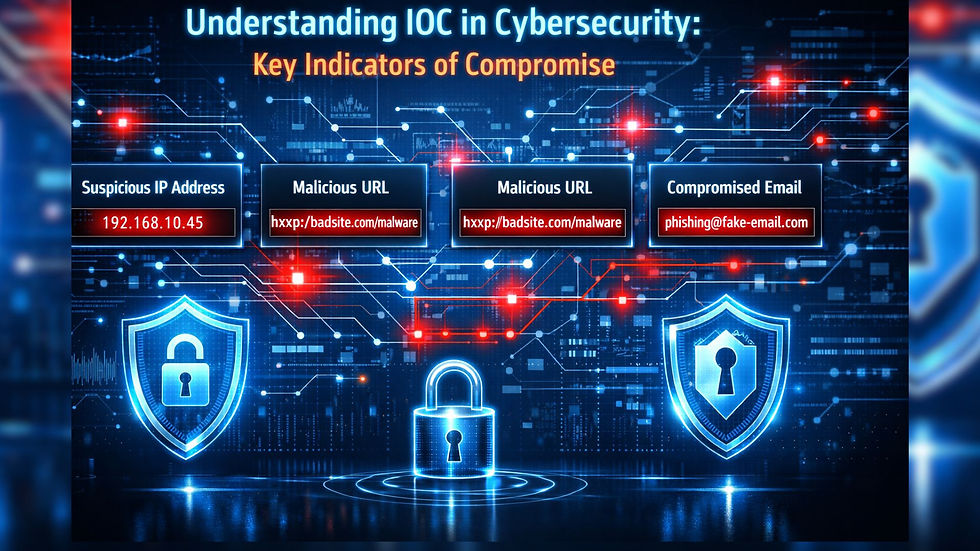
Incorporating IOC cybersecurity techniques is a critical aspect for preventing data breaches. IOCs are clues or evidence left behind by cyberattacks that can help organizations detect and respond to threats quickly. By analyzing IOCs, cybersecurity teams can identify patterns of malicious behavior and prevent breaches before they occur.
Some common IOCs include:
Unusual network traffic
Suspicious file modifications
Unrecognized login attempts
Organizations should invest in tools that can detect these indicators and respond in real-time. With IOC(Indicators of Compromise) cybersecurity systems in place, businesses can enhance their security posture and reduce the likelihood of a successful attack.
You can also watch: EmpCloud: One Platform for All Your Workforce Needs!
Summary: Steps to Prevent Data Breaches
Data breach prevention is an ongoing process that requires a combination of technical measures, employee training, and proactive monitoring. By implementing strong access controls, encrypting sensitive data, and ensuring regular software updates, businesses can reduce the likelihood of a breach. Leveraging technologies like IOC cybersecurity plays a vital role in identifying indicators of compromise and responding to threats before they escalate. Additionally, educating employees about security best practices, conducting regular security audits, and having a well-defined incident response plan are essential to maintaining robust data protection. With these strategies in place, organizations can create a resilient defense against cyberattacks and safeguard sensitive information from potential breaches.
FAQ: Common Questions About Data Breach Prevention
How often should I update my passwords?
It’s recommended to update your passwords every 60-90 days. Additionally, use a password manager to generate and store strong, unique passwords for each account.
What should I do if my company experiences a data breach?
Immediately activate your incident response plan, notify affected individuals, and report the breach to authorities. Conduct a thorough investigation to understand the source of the breach and take corrective actions.
3. How can I use IOC cybersecurity for my business?Implement IOC-based threat detection tools to monitor your network for indicators of malicious activity. This will help you respond to threats faster and prevent breaches from escalating.


Comments