How Can Face Recognition Attendance and Access Control Create A Smarter Workplace?

Managing attendance and workplace entry manually can become difficult as organizations grow. Paper registers, access cards, passwords, and manual verification often create delays and leave room for errors. Face Recognition Attendance and access control offer a modern approach by combining identity verification with attendance management and secure entry. In this article, you will understand how this technology can simplify daily operations, improve workplace security, and create a smoother experience for employees.
Why Are Traditional Attendance Methods Becoming Less Practical?
Many workplaces still depend on methods that require employees to carry cards, remember passwords, or interact with physical attendance devices. These processes may appear simple, but they can create administrative work when records need to be corrected or verified.
Biometric identification changes this experience by using an individual's facial features for authentication. Employees can complete verification without carrying additional credentials. For HR teams, automated records can also reduce repetitive administrative tasks and provide a more organized view of attendance patterns.
How Does Facial Verification Improve Workplace Entry?
A secure workplace needs to balance convenience with controlled access. Facial verification can help organizations identify authorized individuals before allowing them to enter designated areas. Instead of relying entirely on cards or PINs, the system checks a person's identity through their facial characteristics.
This can be particularly useful in offices, educational institutions, healthcare facilities, warehouses, and other environments where controlled access matters. Organizations can establish different permissions for different areas, helping limit access to restricted spaces while maintaining a convenient entry process.
Can Automated Attendance Reduce Administrative Work?

Attendance management often involves more than recording arrival and departure times. HR professionals may need to review late arrivals, missing records, overtime, shift schedules, and attendance corrections. When these processes depend heavily on manual work, small mistakes can consume considerable time and may also affect employee trust in workplace records.
An automated system can record attendance events consistently and make information easier to review. HR teams can spend less time maintaining basic records and more time focusing on employee engagement, workforce planning, and other strategic responsibilities. Transparent and accurate attendance information can also strengthen employee trust by creating greater clarity around working hours and attendance records. When attendance data is connected with relevant workplace systems, it can further support smoother and more reliable payroll coordination.
What Makes the Technology Convenient for Employees?
Employee experience is an important part of successful workplace technology adoption. A verification process that takes only a few moments can make daily entry less complicated. Employees do not need to search for an access card or remember another password before entering the workplace.
Convenience can become especially valuable during busy periods when many people arrive at similar times. Faster verification may help reduce queues near entrances while maintaining an organized record of workplace attendance. However, convenience should always be supported by clear communication about how the system works.
How Can Businesses Approach Privacy Responsibly?
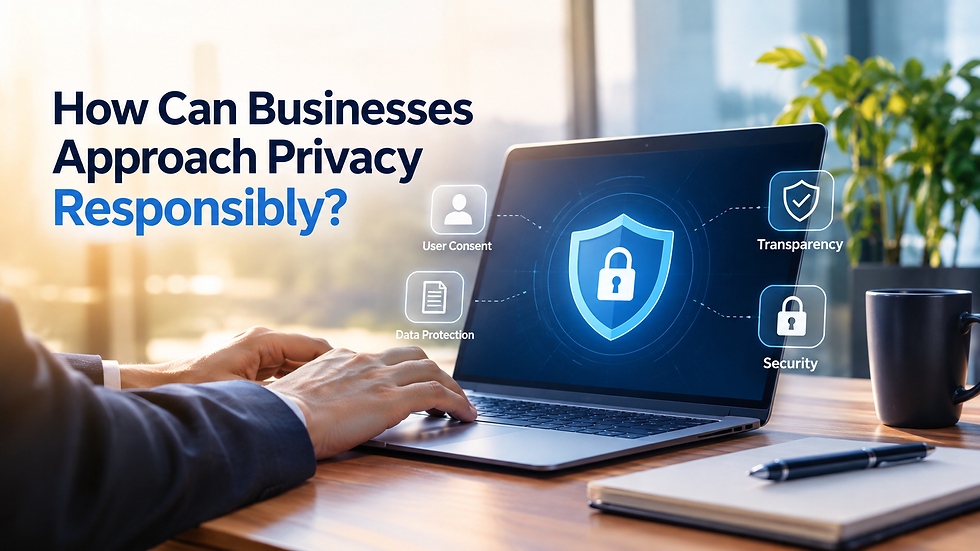
Biometric information requires careful handling because it is connected to individual identity. Organizations should establish clear policies before introducing facial recognition technology. Employees should understand what information is collected, why it is needed, how it is protected, and who can access it. Clear communication can help employees feel more informed and comfortable with new workplace processes. Organizations can also use Employee Engagement Tools to gather feedback, understand employee concerns, and encourage open communication when introducing technologies that involve personal information. This balanced approach can help build greater transparency while supporting a workplace culture based on trust and respect.
Data security should remain a priority throughout the system's lifecycle. Organizations should also review applicable privacy requirements and maintain appropriate retention and access policies. Transparency can help employees understand the purpose of the technology and reduce concerns surrounding workplace monitoring.
Can It Support Better Workplace Security?
Security is not limited to preventing unauthorized entry. Reliable identity verification can also help organizations maintain clearer records of who accessed specific areas and when. This can support investigations when unusual access activity occurs.
When combined with appropriate security procedures, automated verification can create another layer of protection around sensitive locations. The technology should not replace good security practices, but it can strengthen them by making identity checks more consistent and easier to manage.
What Should Businesses Consider Before Adoption?
Organizations should evaluate their workplace requirements before selecting a solution. Factors such as verification accuracy, system reliability, integration capabilities, data protection, scalability, and ease of use can influence long-term results.
It is also important to consider employee communication. Introducing new technology without explaining its purpose can create unnecessary uncertainty. A thoughtful implementation strategy should focus on both operational benefits and responsible data management.
You can also watch: Starting an HR Career at 19: The Journey from Lucknow to Mumbai | Future of Work ft. Princy Mishra
Conclusion
Modern workplaces need systems that can improve efficiency without creating unnecessary complexity. Face Recognition Attendance and access control can bring attendance recording and secure workplace entry into a more connected process. When implemented with strong privacy practices, clear policies, and appropriate security measures, it can help organizations create smoother daily operations while giving employees a convenient way to verify their identity.
FAQs
Is facial recognition suitable for every workplace?
Not necessarily. Businesses should consider their security requirements, privacy obligations, workforce size, and operational environment before adopting the technology.
Can automated verification help reduce attendance errors?
Yes. Automated identity verification can reduce some common issues associated with manual attendance recording and make records easier for HR teams to review.
Does facial recognition eliminate the need for security staff?
No. Technology can support security teams, but human oversight, access policies, and appropriate workplace procedures remain important.
How should biometric information be protected?
Organizations should use appropriate security controls, restrict access to authorized personnel, establish retention policies, and follow applicable privacy regulations.
Can the system work with existing HR software?
Depending on the solution, integration may be available with HR, payroll, attendance, or workforce management platforms. Businesses should verify compatibility before implementation.


Comments