How Can Field Force GPS Tracking Transform The Way Businesses Manage Mobile Teams?

Managing employees who work across different locations has never been simple. Sales representatives, service technicians, delivery teams, healthcare workers, and field executives often move between multiple destinations throughout the day. Without reliable visibility, managers may struggle to understand where teams are, whether schedules are being followed, and how efficiently daily assignments are progressing. Field Force GPS Tracking offers a practical way to bring greater visibility to mobile operations while helping businesses coordinate people and resources more effectively.
Why Are Mobile Teams Difficult to Manage?
Office based employees generally work within a predictable environment. Field teams operate differently. Their responsibilities can involve customer visits, transportation, unexpected delays, changing appointments, and geographically scattered assignments.
This creates several challenges for managers. A scheduled visit may take longer than expected, traffic can disrupt routes, and urgent customer requests may require employees to change their plans. When managers depend entirely on phone calls or manual updates, obtaining an accurate picture of daily operations becomes difficult.
Location based workforce technology can provide a clearer operational picture. Instead of constantly asking employees for updates, managers can access relevant information through a centralized system and make decisions based on current circumstances.
How Does Location Visibility Improve Daily Operations?
Visibility is valuable because it connects planning with real world activity. Managers can understand whether employees are moving according to their assigned schedules and identify situations that require attention.
For example, if a service professional is delayed because of traffic, the manager can recognize the situation sooner and communicate with the customer. Similarly, if several appointments are concentrated in one area, assignments can be organized more efficiently. Along with location visibility, productivity tools can provide additional insights into task progress, workload, and daily performance. This can also help address workplace concerns before they contribute to issues such as silent quitting, particularly when employees feel unsupported or face repeated operational challenges.
This does not mean every movement needs to become a management concern. The purpose should be to create useful operational awareness rather than unnecessary interference. When implemented responsibly, location visibility combined with productivity tools can help teams spend less time dealing with avoidable coordination problems while creating a more organized and supportive work environment.
Can Better Routing Reduce Wasted Time?

Travel can represent a significant part of field operations. Poorly organized routes may result in unnecessary driving, missed appointments, increased fuel consumption, and lower productivity.
Modern workforce platforms can help managers review travel patterns and identify opportunities for better scheduling. Employees can be assigned visits according to geographical proximity, workload, and appointment requirements.
Over time, historical information can also reveal recurring inefficiencies. A business may discover that certain areas consistently create delays or that particular schedules require excessive travel. These insights can support better planning and more realistic workloads.
The result is not simply fewer kilometres on the road. Better routing can create more predictable schedules and give employees additional time to focus on customers and productive tasks.
How Can Businesses Improve Accountability?
Accountability becomes easier when expectations are clear and operational information is available. Field employees can have defined assignments, scheduled visits, and responsibilities that can be reviewed against actual activity.
This can reduce confusion between employees and managers. If a task is delayed, both sides have more context for discussing what happened.
However, accountability should not become surveillance. Businesses should establish transparent policies explaining what information is collected, why it is needed, who can access it, and when tracking occurs.
A balanced approach creates a healthier workplace environment. Employees understand that technology is supporting business coordination rather than being used simply to watch them throughout the day.
What Role Does Real Time Information Play?
Field operations can change quickly. A customer may cancel an appointment, a technician may finish early, or an urgent service request may appear unexpectedly.
Real-time operational information allows managers to respond to these changes instead of continuing with outdated plans. Available employees can potentially be redirected toward urgent assignments, while customers can receive more accurate updates.
Employee Feedback can also help managers understand challenges faced by field teams, such as unrealistic schedules, workload concerns, or recurring operational obstacles. Combining real-time insights with employee input can support better decisions while helping employees feel heard and supported.
This responsiveness can be especially useful for organizations handling large field teams. Even small improvements in communication can become significant when repeated across hundreds of daily assignments.
How Can Managers Use Data for Better Decisions?
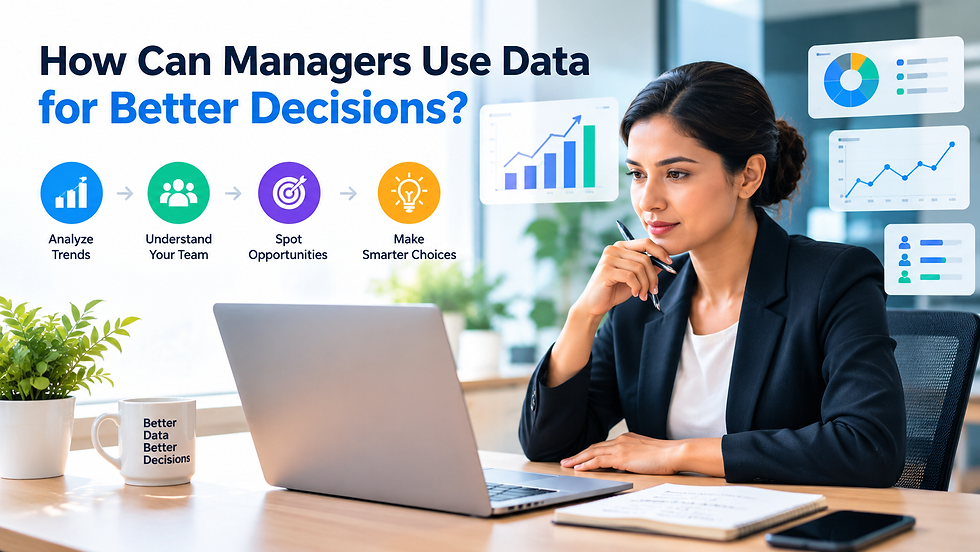
One of the biggest advantages of connected workforce systems is the ability to identify patterns instead of relying entirely on assumptions.
Managers can examine information related to travel, schedules, completed assignments, service coverage, and operational delays. These insights can help answer practical questions.
Are employees spending too much time travelling? Are certain territories understaffed? Which routes frequently create delays? Are workloads distributed fairly?
Answers to these questions can influence staffing decisions, scheduling strategies, territory planning, and customer service improvements. Data becomes useful when it leads to better actions rather than simply creating more reports.
What Should Businesses Consider Before Implementation?
Technology works best when employees understand its purpose. Before introducing location-based monitoring, organizations should establish clear policies and communicate them openly.
Privacy should be treated as a central consideration. Companies should collect only information that is genuinely necessary for legitimate business purposes. Access should also be limited to authorized personnel.
Training matters too. Employees should know how the system works, what information is visible, and how the technology supports their responsibilities.
A thoughtful implementation can reduce resistance and encourage employees to see the system as an operational resource rather than an intrusive workplace tool.
You can also watch: Stop Chasing Clout: Building a Real HR Brand with Abhilash M S | EMPCloud Podcast
Conclusion
Managing a mobile workforce requires more than simply knowing where employees are. Businesses need practical visibility that supports scheduling, communication, accountability, customer service, and informed decision-making. Field Force GPS Tracking can contribute to these goals by connecting field activity with operational planning. When combined with transparent policies and responsible data practices, it can help organizations create smoother workflows without turning workplace technology into unnecessary surveillance.
FAQs
Is GPS-based workforce management useful for small businesses?
Yes. Small businesses can use location visibility to coordinate appointments, organize routes, communicate with mobile employees, and improve service scheduling.
Can location technology help reduce travel expenses?
It can support better route planning and scheduling, which may reduce unnecessary travel and help businesses use vehicles and working hours more efficiently.
Does employee location monitoring automatically improve productivity?
Not necessarily. Technology provides information, but productivity improvements depend on how managers interpret and use that information. Clear goals, realistic workloads, and good communication remain essential.
Is employee privacy important when using location systems?
Absolutely. Organizations should establish transparent policies, limit data collection to legitimate requirements, restrict access appropriately, and clearly communicate tracking practices.
Can mobile workforce data support customer service?
Yes. Better operational visibility can help organizations provide more accurate arrival estimates, respond to delays, and coordinate service requests more efficiently.


Comments