How Can Field Force Management Software Help Businesses Improve Field Operations?
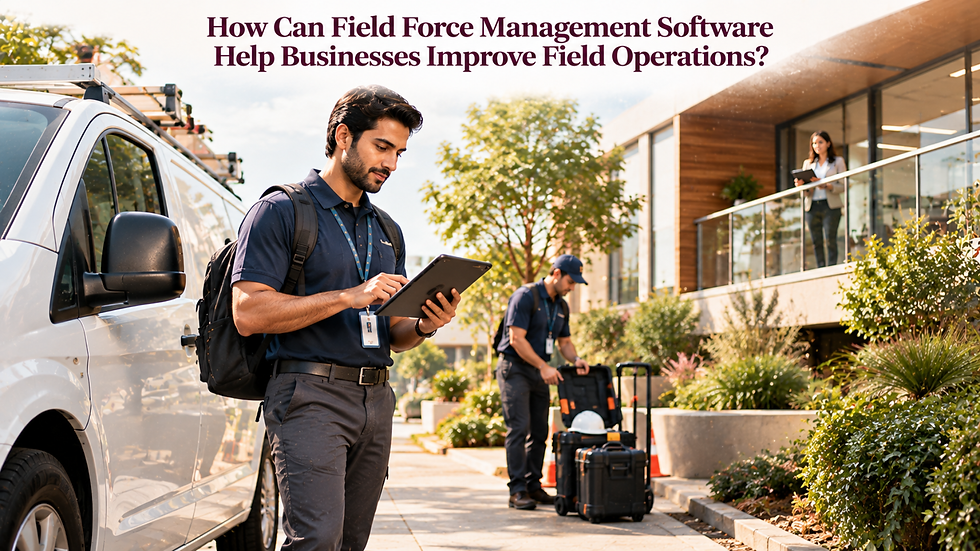
How do businesses keep field employees productive when teams are constantly moving between customers, locations, and assignments? The answer often comes down to having better visibility, faster coordination, and reliable access to operational information. Field force management software helps organizations connect field employees with managers, schedules, customer requirements, and business priorities through one coordinated workflow.
Instead of depending on phone calls, spreadsheets, paper records, or scattered messages, managers can organize field activities more efficiently while employees receive clearer instructions and timely updates. This makes everyday operations easier to monitor without creating unnecessary administrative work.
What Is Field Force Management Software and Why Does It Matter?
Field force management software is designed to help businesses coordinate employees who work outside a traditional office environment. It brings important operational activities into a more organized system so managers can understand what is happening in the field.
Depending on the business, the platform may support:
Employee scheduling and assignment
Location-based workforce coordination
Customer visit planning
Attendance and working-hour tracking
Task allocation and status updates
Field activity reporting
Performance monitoring
Route and territory planning
The biggest advantage is connected information. Managers can spend less time collecting updates manually and more time addressing operational issues that require attention.
How Can Businesses Improve Daily Field Coordination?

Field operations become complicated when several employees are visiting different locations simultaneously. A small scheduling change can affect customer appointments, travel plans, workload distribution, and service completion.
A more structured approach can help managers:
Assign work according to employee availability and territory.
Prioritize urgent customer requests.
Monitor assignment progress without constant phone calls.
Identify delays before they affect service delivery.
Keep records of completed field activities.
This creates a clearer operational rhythm. Employees understand what they need to accomplish, while managers have a better view of overall progress.
How Does Better Task Management Support Mobile Employees?
Field employees often handle multiple responsibilities during a single working day. They may visit customers, collect information, complete inspections, resolve service issues, submit reports, and travel to another location.
Effective task management helps organize these responsibilities into clear priorities. Rather than receiving scattered instructions through different communication channels, employees can work from a structured list of assignments and updates.
This can improve field execution in several ways:
Clear priorities: Employees can identify urgent assignments first.
Better accountability: Completed and pending activities become easier to track.
Fewer missed activities: Important assignments are less likely to disappear in conversations or paperwork.
Faster reporting: Employees can submit updates closer to the time work is completed.
Improved workload visibility: Managers can recognize overloaded employees and redistribute assignments when necessary.
The value extends beyond individual productivity. When managers understand how work is progressing across locations, they can make more informed decisions about staffing, scheduling, and customer service.
What Features Should Businesses Look For?

Not every organization needs the same capabilities. A field service company may prioritize customer visits and route planning, while a sales organization may focus more heavily on territory coverage and reporting.
Before selecting a platform, businesses should evaluate whether it provides:
Real-Time Operational Visibility
Managers should be able to understand assignment status without waiting for end-of-day reports. Timely information makes it easier to respond when priorities change.
Mobile Accessibility
Field employees should be able to access assignments, submit updates, and communicate relevant information from their mobile devices.
Scheduling and Assignment Controls
The system should make it simple to allocate work based on availability, location, skills, workload, or customer requirements.
Reporting and Analytics
Useful reports can reveal recurring delays, workload patterns, territory performance, and areas where operational processes need improvement.
Integration Capabilities
Connecting workforce information with CRM, payroll, attendance, customer service, or business applications can reduce duplicate data entry and improve consistency.
How Can Field Force Management Improve Customer Service?
Customer experience is closely connected to Field Force Management. When employees arrive late, miss appointments, lack important information, or struggle to report completed work, customers may experience unnecessary delays.
A coordinated workforce approach can support stronger service by helping businesses:
Schedule visits more efficiently.
Keep employees informed about customer requirements.
Respond faster to changes.
Track service completion.
Identify recurring operational problems.
Maintain more consistent communication.
This does not mean every field activity needs constant supervision. Instead, the objective is to provide employees and managers with the information they need to perform effectively.
How Can Businesses Measure Field Workforce Performance?

Simply tracking activity volume does not always provide a meaningful picture of performance. Businesses should combine operational measures with quality-focused indicators.
Useful metrics may include:
Assignment completion rates
Average response time
Customer visit completion
Travel efficiency
Delayed assignment frequency
Employee workload distribution
Service resolution time
Customer satisfaction
Comparing these measures over time can help managers distinguish temporary challenges from persistent process problems.
What Makes Field Force Management More Effective?
Successful implementation depends on more than selecting technology. Businesses should establish clear processes around how field employees receive assignments, report progress, and communicate problems.
Managers should also avoid measuring employees solely by activity counts. A high number of completed visits does not necessarily indicate strong performance if customer outcomes or service quality are poor.
A better approach combines technology with:
Clear performance expectations
Practical employee training
Consistent communication
Reasonable workloads
Useful performance feedback
Regular process improvement
When employees understand why information is being collected and how it supports their work, adoption is more likely to be successful.
You can also watch: THIS IS IT! Change How You LEAD & WORK EmpCloud Podcast
Summary
Managing a mobile workforce requires more than knowing where employees are or whether assignments are complete. Businesses need connected scheduling, communication, reporting, and performance information to coordinate field operations effectively. Field force management software can reduce administrative effort, improve operational visibility, support employees, and create a consistent customer experience.
FAQ
What does field force management software do?
It helps businesses schedule, assign, coordinate, monitor, and report on work performed by employees operating outside traditional office environments.
Why is field workforce visibility important?
Better visibility helps managers identify delays, balance workloads, respond to changing priorities, and improve customer service.
Can it help improve employee productivity?
Yes. Clear assignments, mobile access, organized workflows, and faster communication can reduce unnecessary administrative work and help employees focus on field responsibilities.
Is it useful for small businesses?
Yes. Smaller organizations can benefit from centralized scheduling, assignment tracking, reporting, and workforce coordination without relying heavily on spreadsheets and manual communication.
What should businesses consider before choosing a platform?
Businesses should assess mobile functionality, scheduling, reporting, integrations, usability, scalability, security, and the specific requirements of their field workforce.


Comments