The Strategic Value of Computer Monitoring Software in Modern Workplaces

Modern organizations are navigating a complex digital landscape where productivity, security, and compliance must align seamlessly. Computer monitoring software has emerged as a critical tool in achieving this balance, offering deep insights into employee activity while supporting operational efficiency. When used responsibly, it empowers businesses to make smarter, data-driven decisions.
Understanding Computer Monitoring Software

Computer monitoring software refers to systems that track, analyze, and report on user activity across workplace devices. These tools capture metrics such as application usage, browsing behavior, keystrokes, and time allocation. Beyond simple surveillance, modern solutions incorporate AI-driven analytics, real-time dashboards, and customizable reporting. This allows managers to identify inefficiencies, detect anomalies, and optimize workflows. As organizations increasingly adopt remote and hybrid models, visibility into digital operations becomes essential for maintaining accountability and performance.
Enhancing Workforce Productivity
One of the most significant advantages of monitoring tools is their ability to boost productivity. By identifying time leaks and redundant processes, businesses can streamline operations and allocate resources more effectively. Interestingly, insights from monitoring tools can complement HR processes like understanding exit interview meaning, where patterns in employee feedback align with observed productivity trends. For instance, recurring complaints about workload imbalance can be validated through usage data.
Supporting HR and Operational Alignment
From an HR perspective, monitoring software provides valuable data that bridges operational gaps. In sectors like retail hr, where workforce management is dynamic and fast-paced, these tools help track shift efficiency, task completion rates, and employee engagement levels. This data-driven approach enables HR teams to design better policies, improve training programs, and ensure fair performance evaluations. It also supports compliance with labor regulations by maintaining accurate digital records of employee activity.
Strengthening Security and Compliance

Security is a growing concern in today’s interconnected environment. Monitoring software plays a vital role in protecting sensitive data by detecting unauthorized access, suspicious downloads, or unusual behavior patterns. Advanced systems include features like real-time alerts, automated risk scoring, and integration with cybersecurity frameworks. These capabilities help organizations proactively address threats rather than reacting after damage occurs. Additionally, compliance with industry regulations becomes more manageable through detailed audit trails and reporting.
Ethical Considerations and Transparency
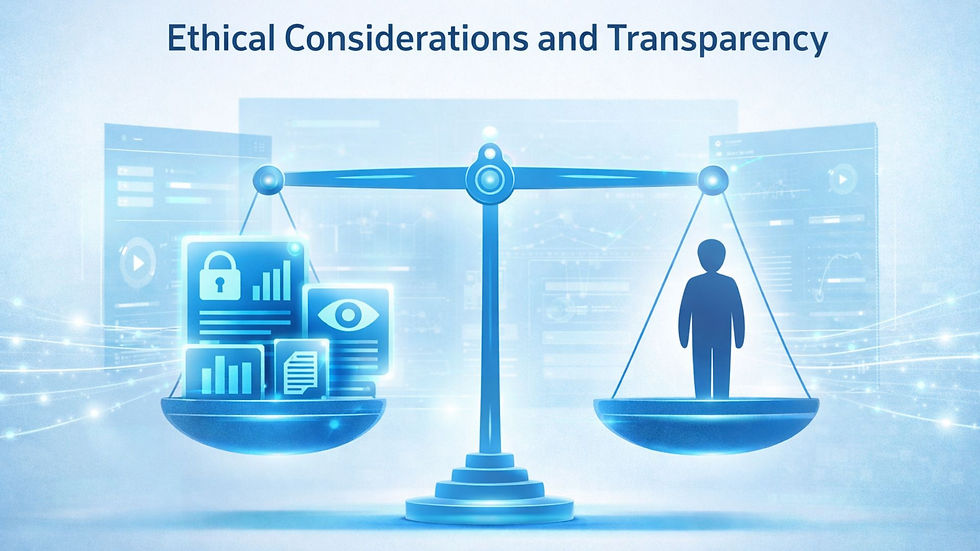
While the benefits are clear, ethical implementation is crucial. Employees must be informed about what is being monitored, why it is necessary, and how the data will be used. Transparency builds trust and reduces resistance. Organizations should establish clear policies that define acceptable use, data privacy standards, and monitoring boundaries. An ethical approach ensures that monitoring enhances workplace culture rather than undermines it. Striking this balance is key to long-term success.
Choosing the Right Solution
Selecting the right monitoring software requires careful evaluation of features, scalability, and integration capabilities. Businesses should look for solutions that offer:
Real-time analytics and reporting
Customizable dashboards
Strong data encryption and security protocols
Compatibility with existing systems
Scalability is particularly important for growing organizations. A flexible solution can adapt to changing workforce sizes and operational complexities without requiring frequent upgrades or replacements.
Conclusion
In an era driven by digital transformation, computer monitoring software is no longer optional but essential. It enhances productivity, strengthens security, and provides actionable insights that align business and HR strategies. When implemented ethically and strategically, it becomes a powerful asset for sustainable growth and organizational excellence.
FAQs
Q1: What is the primary purpose of computer monitoring software?
A: It tracks and analyzes employee digital activity to improve productivity, ensure security, and provide actionable insights for better decision-making across organizational processes and workforce management.
Q2: Is computer monitoring software legal to use?
A: Yes, but legality depends on transparency and compliance with local laws. Employers must inform employees, define clear policies, and ensure data privacy standards are maintained.
Q3: Can monitoring software improve employee satisfaction?
A: When used ethically, it can identify workload issues and inefficiencies, enabling improvements that enhance employee experience, reduce burnout, and support a more balanced and productive work environment.


Comments