Upskilling And Reskilling: What They Mean And Why They Matter In Today's Workforce?

Have you ever asked yourself how you can remain relevant in a world where technologies and job roles evolve at lightning speed? The answer lies in continuous learning—specifically, in upskilling and reskilling. These two strategies are not just trendy terms; they are essential approaches to thriving in a modern workplace that refuses to stand still. But what exactly do they mean, and why should you care?
What Is the Difference Between Upskilling and Reskilling?
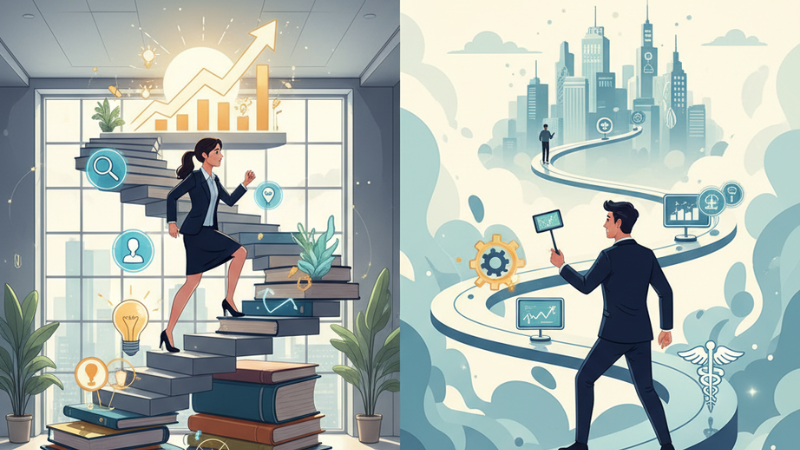
While both are centered around learning, they serve different purposes. Upskilling is about building upon your existing abilities to keep up with new methods, tools, or technologies within your current role. For instance, a teacher who learns to integrate digital learning platforms is engaging in upskilling. Reskilling, on the other hand, involves acquiring completely new skills that enable you to shift into an entirely different career path. An example would be a retail worker who transitions into web development.
In simple terms, upskilling strengthens what you already do, while reskilling gives you the opportunity to do something new.
Why Are They So Important Today?
The pace of change in the workplace has never been faster. Automation, artificial intelligence, and digital transformation are reshaping industries. Traditional skills that were valuable yesterday can become outdated tomorrow. This reality makes lifelong learning essential for both professionals and organizations.
For individuals, adopting these practices means greater job security, enhanced career opportunities, and the ability to adapt with confidence when industries shift. For companies, it translates to improved performance, innovation, and competitiveness in a marketplace that rewards agility.
How Businesses Are Embracing Continuous Learning

Forward-thinking organizations are no longer treating employee learning as a nice-to-have perk. Instead, it has become a strategic necessity. Many companies are investing in digital training platforms, creating in-house workshops, and offering career transition programs to help employees prepare for emerging roles. Partnerships with universities and online academies are also becoming more common, ensuring that employees can access high-quality learning resources anytime, anywhere.
This approach not only improves productivity but also boosts employee loyalty. When workers feel their growth is supported, they are far more likely to stay committed to the company’s long-term goals.
How Professionals Can Upskill or Reskill Effectively
For individuals, the process starts with clarity about personal goals and an awareness of industry trends. Many professionals are now turning to online courses, certification programs, and hands-on projects to build expertise in a practical way. Mentorship and networking play a powerful role as well, offering guidance from those who have already navigated similar transitions.
The secret is consistency. A steady rhythm of learning—whether through reading industry blogs, attending webinars, or practicing new skills in real-world settings—can accumulate into transformative growth over time.
Industries Where Change Is Happening Fastest

Although every sector can benefit from a culture of learning, some are experiencing rapid transformations that make upskilling and reskilling especially urgent. The technology industry is evolving with breakthroughs in cybersecurity, artificial intelligence, and cloud computing. Healthcare is increasingly shaped by digital tools and data-driven care models. Manufacturing is seeing a surge in automation and robotics, while finance is being disrupted by analytics, blockchain, and digital-first platforms. In today’s workplace, even the rise of remote work software is reshaping how teams collaborate and adapt to these changes. In each of these cases, professionals who adapt quickly are positioned to lead, while those who resist change risk being left behind.
Long-Term Benefits of Lifelong Learning
Beyond immediate career advancement, a commitment to learning has lasting advantages. It builds resilience, helping professionals stay confident during times of transition. It opens doors to entrepreneurial opportunities and allows people to contribute to innovation in meaningful ways. Most importantly, it keeps individuals adaptable, motivated, and prepared to navigate uncertainty with optimism rather than fear. Just as tools like project time tracking software help teams stay organized and efficient, continuous learning ensures individuals manage their growth and productivity effectively. Those who make learning a lifelong habit are not only surviving but thriving in today’s dynamic economy.
Explore More - EmpCloud: One Platform for All Your Workforceeds!
Summary
In today’s world, upskilling and reskilling are indispensable for both individuals and organizations. Upskilling helps you sharpen the skills you already have, while reskilling equips you with new abilities to pivot into different roles. Together, they foster adaptability, resilience, and long-term success in a workplace that never stops changing.
FAQs
What is the key difference between the two?
Upskilling strengthens your current expertise, while reskilling enables a career shift into something new.
Why are these practices critical today?
Because technology and automation are rapidly reshaping industries, making continuous learning necessary for job security and growth.
How can someone begin the process?
Start by identifying future industry needs, setting clear goals, and engaging in structured learning through courses, mentorship, and practical application.
Are companies supporting this shift?
Yes, many organizations are investing heavily in training platforms, career development programs, and partnerships with educational institutions to ensure their workforce remains competitive.


Comments