Why Are Employee Engagement Tools Transforming The Future Of Workplace Success?

The modern workplace has evolved into a dynamic environment where collaboration, innovation, and employee satisfaction directly influence business growth. As companies adapt to changing expectations,employee engagement tools have emerged as an important part of creating positive experiences for individuals at every level of an organization. Rather than focusing solely on productivity, businesses now recognize the importance of building trust, encouraging participation, and fostering meaningful connections that inspire employees to contribute their best every day.
Building a Workplace That Inspires Commitment
Every successful organization begins with people who believe their work has purpose. When employees understand how their contributions influence broader organizational goals, they become more invested in achieving meaningful outcomes. A workplace that encourages transparency, appreciation, and open communication naturally develops stronger relationships between leadership and staff.
This sense of belonging extends beyond professional responsibilities. Employees who feel respected are more willing to share ideas, embrace innovation, and collaborate across departments. Such an environment creates confidence, allowing individuals to approach challenges with creativity instead of hesitation.
Organizations that cultivate commitment also experience greater resilience during periods of change. Whether adapting to new technologies, market conditions, or customer expectations, engaged teams remain flexible because they understand the value of working toward shared objectives.
The Growing Importance of Meaningful Communication
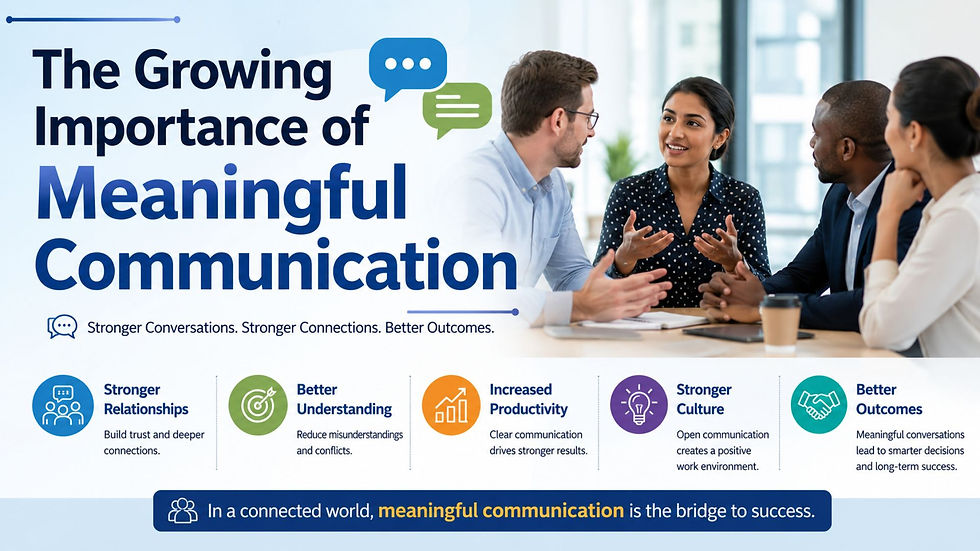
Communication has become one of the defining characteristics of thriving organizations. Clear conversations reduce misunderstandings while helping everyone remain aligned with company priorities. When information flows consistently between managers and employees, trust develops naturally over time. Project tracking software further supports this process by providing transparent updates, shared progress visibility, and centralized collaboration that keeps teams informed.
Meaningful communication also creates opportunities for constructive dialogue. Employees appreciate environments where opinions are welcomed rather than overlooked. When leaders actively listen and respond thoughtfully, individuals become more comfortable expressing concerns and proposing improvements.
This culture of openness contributes to stronger collaboration because people understand their perspectives matter. Departments that communicate effectively often discover innovative solutions by combining diverse experiences and expertise. As communication improves, workplace relationships become more supportive, resulting in greater cooperation and long-term organizational stability.
Creating a Culture That Encourages Continuous Growth
Professional development is no longer limited to occasional training sessions. Modern organizations recognize that learning should be woven into everyday work experiences. Employees thrive when they have opportunities to expand their knowledge, refine existing abilities, and explore new responsibilities.
A growth-focused culture encourages curiosity rather than perfection. Individuals become more confident experimenting with fresh ideas because mistakes are viewed as opportunities to learn instead of reasons for criticism. This mindset promotes adaptability, helping organizations remain competitive in rapidly changing industries.
Leaders who invest in personal and professional development demonstrate genuine commitment to employee success. As individuals continue growing, they often discover new ways to improve processes, strengthen teamwork, and contribute greater value throughout the organization.
Recognition as a Driver of Lasting Motivation
Appreciation remains one of the most influential elements of workplace satisfaction. Employees naturally become more enthusiastic when their efforts receive genuine acknowledgment. Recognition validates hard work while reinforcing behaviors that contribute positively to organizational success.
Effective recognition goes beyond annual awards or formal ceremonies. Consistent appreciation for daily accomplishments helps individuals understand that their contributions are noticed and valued. Even simple expressions of gratitude can strengthen morale and encourage continued excellence. Incorporating effective management strategies ensures recognition is timely, meaningful, and aligned with organizational goals.
A workplace where recognition becomes part of everyday culture often experiences stronger collaboration because employees celebrate each other's achievements instead of competing unnecessarily. This atmosphere creates positive energy that extends throughout every department, improving relationships and reinforcing shared organizational values.
Supporting Well-Being for Sustainable Performance

Healthy organizations understand that long-term success depends on supporting the people behind the work. Employee well-being includes physical health, emotional balance, professional fulfillment, and manageable workloads. Businesses that prioritize these areas often experience stronger engagement and lower turnover.
When employees feel supported, they approach responsibilities with greater focus and confidence. Flexible work arrangements, balanced expectations, and access to supportive resources help reduce unnecessary stress while improving overall satisfaction.
Well-being also strengthens organizational resilience. Teams that maintain healthy work environments recover more effectively from challenges because individuals possess the energy and motivation needed to solve problems collaboratively. This sustainable approach benefits both employees and employers over time.
Strengthening Organizational Identity Through Shared Purpose
Every organization develops a unique identity shaped by its values, mission, and workplace culture. Employees become more connected when they understand not only what the organization does but also why its work matters. A shared sense of purpose transforms routine responsibilities into meaningful contributions.
Purpose-driven workplaces inspire stronger commitment because individuals recognize how their daily efforts influence customers, communities, and organizational success. This understanding encourages accountability while strengthening relationships across departments.
Organizations with clearly defined values also attract professionals seeking environments aligned with their own beliefs. Over time, this cultural alignment supports stronger collaboration, improved retention, and consistent organizational growth built upon mutual respect and shared ambition.
Conclusion
The future of successful organizations depends on creating workplaces where people feel connected, appreciated, and inspired to perform at their highest potential. Businesses that prioritize communication, professional growth, recognition, well-being, and purpose establish cultures capable of adapting to continuous change while maintaining strong employee satisfaction. As workplace expectations continue evolving, employee engagement tools remain an essential part of building resilient organizations that value people as the foundation of sustainable success.


Comments