Why Do Modern Businesses Need Onboarding Software in 2026?
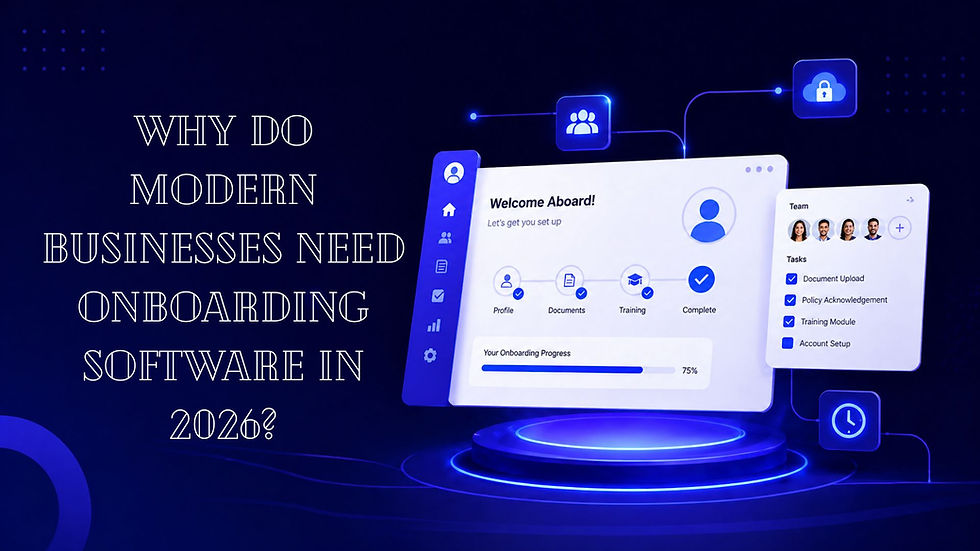
How much time does your team lose on repetitive onboarding tasks? Are new hires truly engaged from day one or just overwhelmed with paperwork?
Modern onboarding tools streamline the entire employee entry process, reduce administrative workload, improve retention, and ensure compliance. In short, they help businesses get new hires productive faster while delivering a consistent and engaging experience.
What Is Onboarding Software and Why Does It Matter?
Onboarding software is a digital solution designed to automate and manage the process of integrating new employees into an organization. It replaces manual workflows like paperwork, email chains, and scattered training materials with a centralized, structured system.
Key benefits at a glance:
Faster onboarding processes
Improved employee experience
Reduced HR workload
Better compliance tracking
Higher retention rates
In 2026, where remote and hybrid work dominate, this software ensures every employee regardless of location gets the same seamless experience.
The Shift Toward Automation in Employee Onboarding
Businesses today operate in a fast-paced, tech-driven environment. Manual onboarding methods simply can’t keep up.
Why automation is critical:
Speed and efficiency - Automated workflows eliminate repetitive tasks like document collection and approvals.
Consistency - Every employee follows the same structured onboarding journey.
Data accuracy - Reduces human errors in documentation and compliance tracking.
Scalability - Easily onboard 10 or 1,000 employees without increasing HR workload.
Around this stage, organizations also begin integrating onboarding tools with broader human resource systems, creating a unified HR ecosystem that connects recruitment, payroll, and performance management seamlessly.
Enhancing Employee Experience from Day One

First impressions matter more than ever. A disorganized onboarding process can lead to confusion, disengagement, and even early resignations.
How onboarding software improves experience:
Provides structured welcome journeys
Offers self-service portals for new hires
Delivers interactive training modules
Enables clear communication with managers and teams
When employees feel supported from day one, they’re more likely to stay engaged and committed to the organization.
Boosting Productivity and Time Management
A major challenge for HR teams is balancing onboarding with other responsibilities. Without the right tools, productivity suffers.
The onboarding tool helps by:
Automating repetitive tasks
Scheduling training sessions
Tracking progress in real time
Sending reminders for pending actions
This structured approach aligns closely with effective time management methods, ensuring both HR teams and new hires stay on track without unnecessary delays.
Compliance and Documentation Made Simple
In 2026, compliance requirements are more complex than ever. Businesses must handle contracts, tax forms, and legal documentation with precision.
Secure document storage
Automated compliance checks
Digital signatures and approvals
Audit-ready records
This minimizes legal risks and ensures organizations stay aligned with evolving regulations.
Supporting Remote and Hybrid Workforces
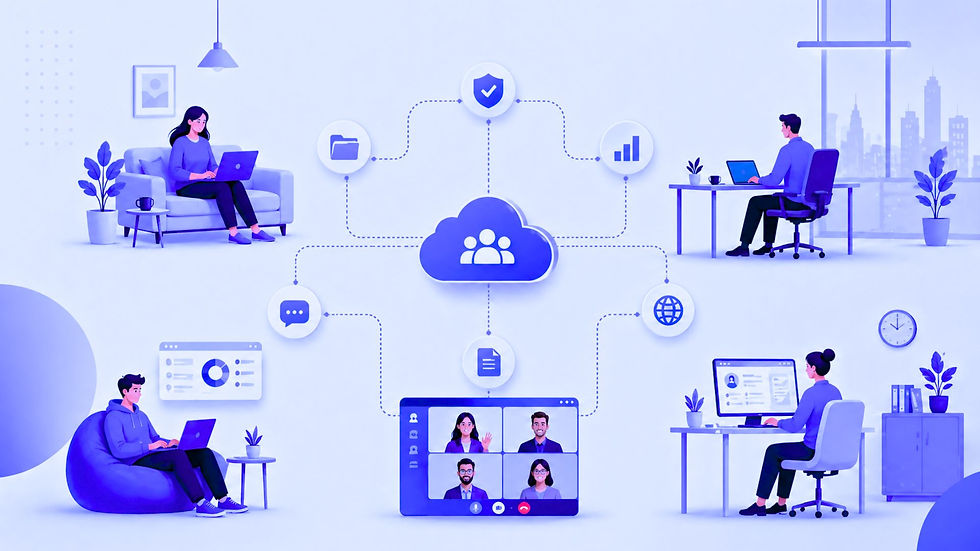
With distributed teams becoming the norm, onboarding tools play a crucial role in bridging physical gaps.
Key advantages for remote teams:
Virtual onboarding sessions
Centralized access to resources
Real-time communication tools
Progress tracking across locations
Platforms like EmpCloud exemplify how modern solutions adapt onboarding processes to suit flexible work environments without compromising quality.
Data-Driven Insights for Continuous Improvement
One of the biggest advantages is access to actionable data.
What businesses can track:
Time to productivity
Completion rates of onboarding tasks
Employee feedback
Engagement levels
These insights help organizations refine their onboarding strategies and continuously improve the experience.
Competitive Advantage in Talent Acquisition
Top talent evaluates companies based on their onboarding experience. A smooth, engaging process can set your business apart.
Why it matters:
Enhances employer branding
Reduces early turnover
Builds stronger employee relationships
Accelerates cultural integration
In competitive industries, an onboarding tool becomes a strategic tool, not just an operational one.
Also watch this video - The Future of Work | Top Industry Insights & HR Strategies
Summary
As businesses evolve, so do employee expectations. Companies that rely on outdated onboarding methods risk falling behind in productivity, engagement, and retention.
Investing in modern employee onboarding software is a strategic move that empowers HR teams, enhances employee experiences, and drives long-term success. In 2026, it’s not just about welcoming employees; it’s about setting them up to thrive from day one.
FAQs
Q1. What is onboarding software used for?
It is used to automate and manage the process of integrating new employees into an organization, including documentation, training, and communication.
Q2. How does onboarding software improve employee retention?
By providing a structured, engaging, and supportive onboarding experience, employees feel more confident and connected, reducing early turnover.
Q3. Is onboarding software suitable for small businesses?
Yes, it helps small businesses save time, reduce manual work, and scale their hiring processes efficiently.
Q4. Can onboarding software support remote teams?
Absolutely. It enables virtual onboarding, centralized communication, and easy access to resources for employees working from anywhere.
Q5. What features should I look for in onboarding software?
Look for automation, document management, compliance tracking, integration capabilities, and analytics for performance tracking.


Comments